Louisville, Stark County, Ohio
Repowering
America
Electrical steel is at the core of every power transformer, which are the backbone of our grid. Flux will produce the steel that will transform the next century of American energy.
Electrical steel is at the core of every power transformer, which are the backbone of our grid. Flux will produce the steel that will transform the next century of American energy.
America's grid is growing and changing for the first time in decades, while the infrastructure we have is aging out. Our supply chains cannot meet our industrial ambitions, let alone our reindustrial ones.
Transformer manufacturers are investing in new capacity to meet surging demand, and every one of those transformers is built around high-grade electrical steel. Flux Steel Works is being built to supply the steel that will power the next century of American electricity.
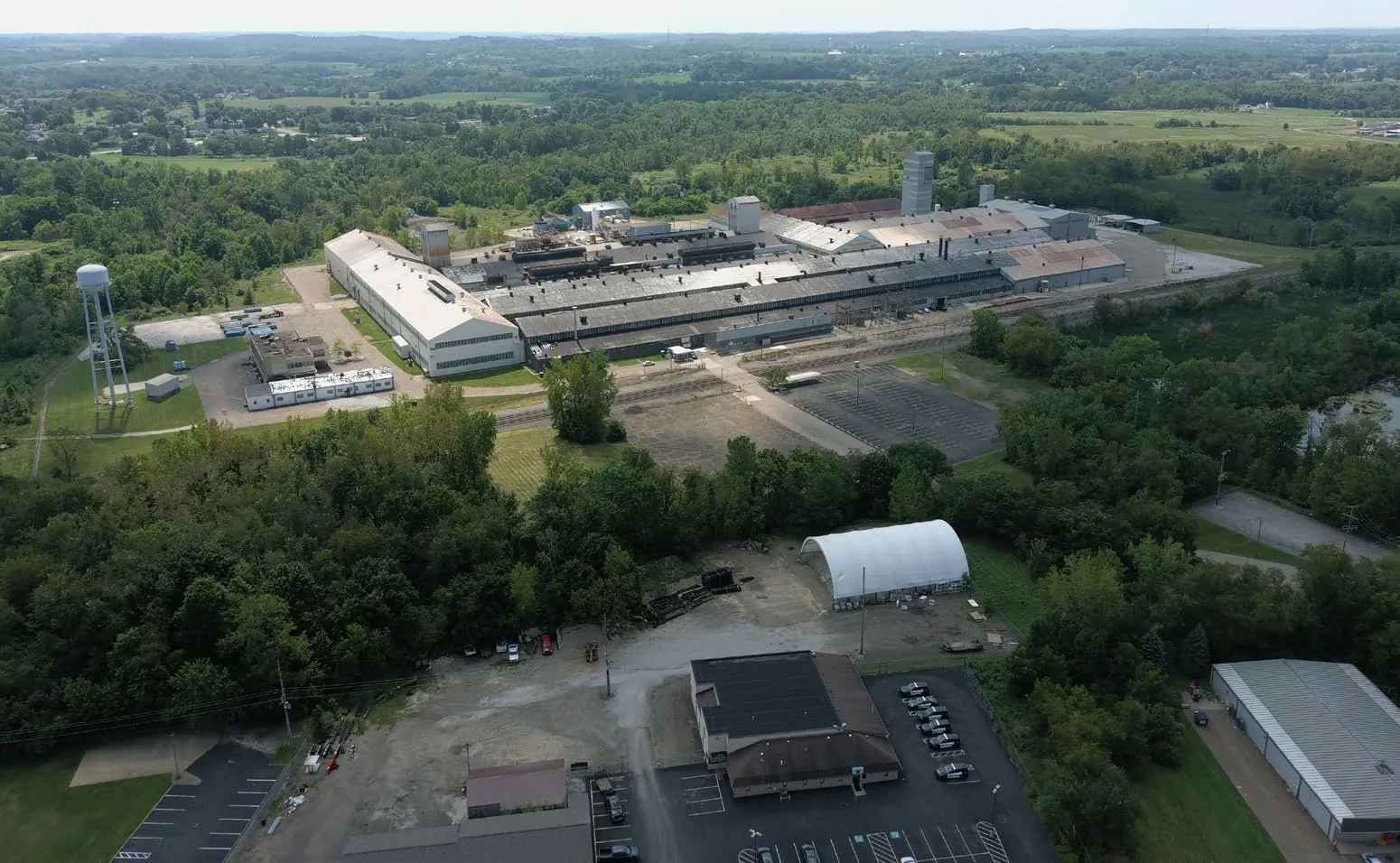
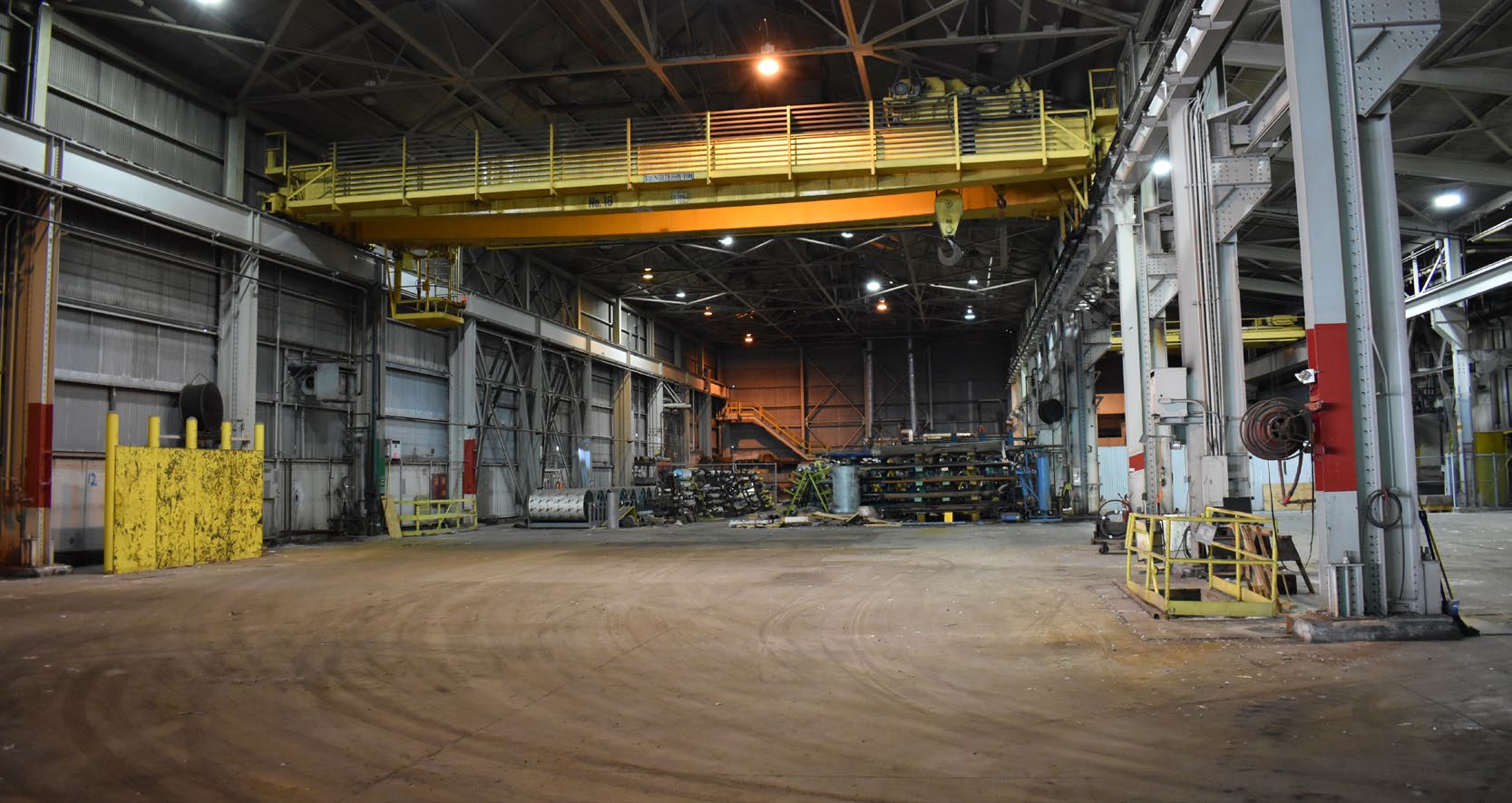
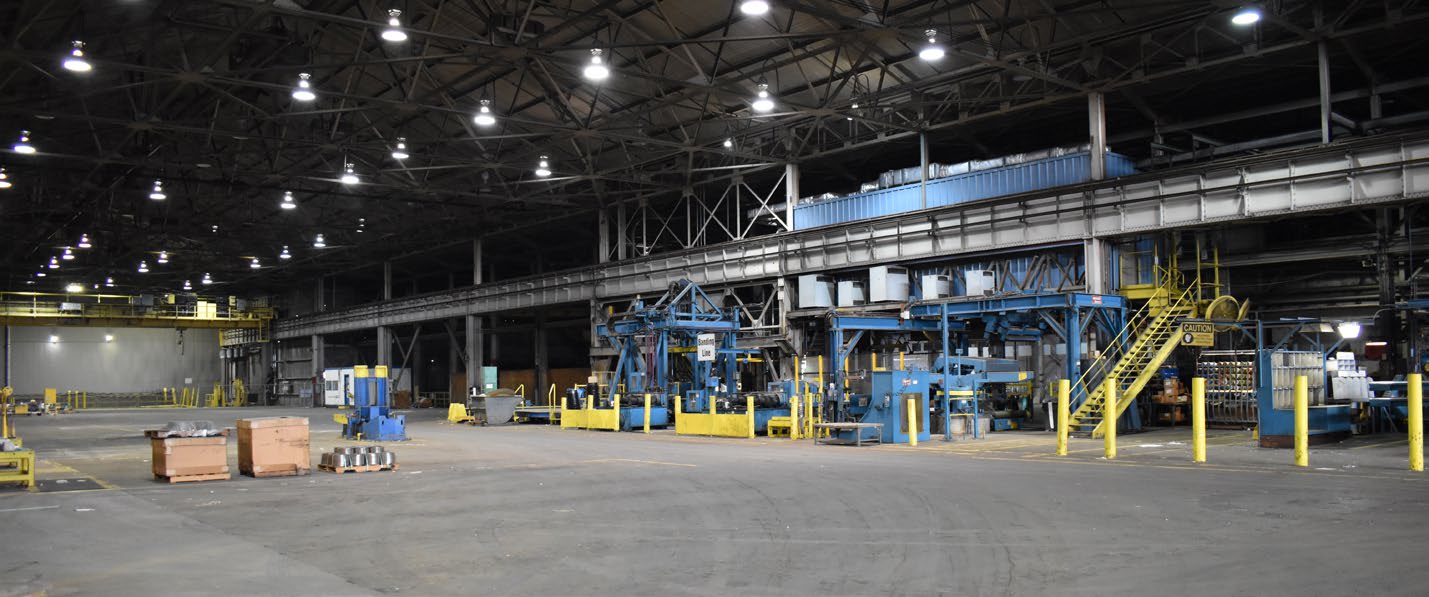
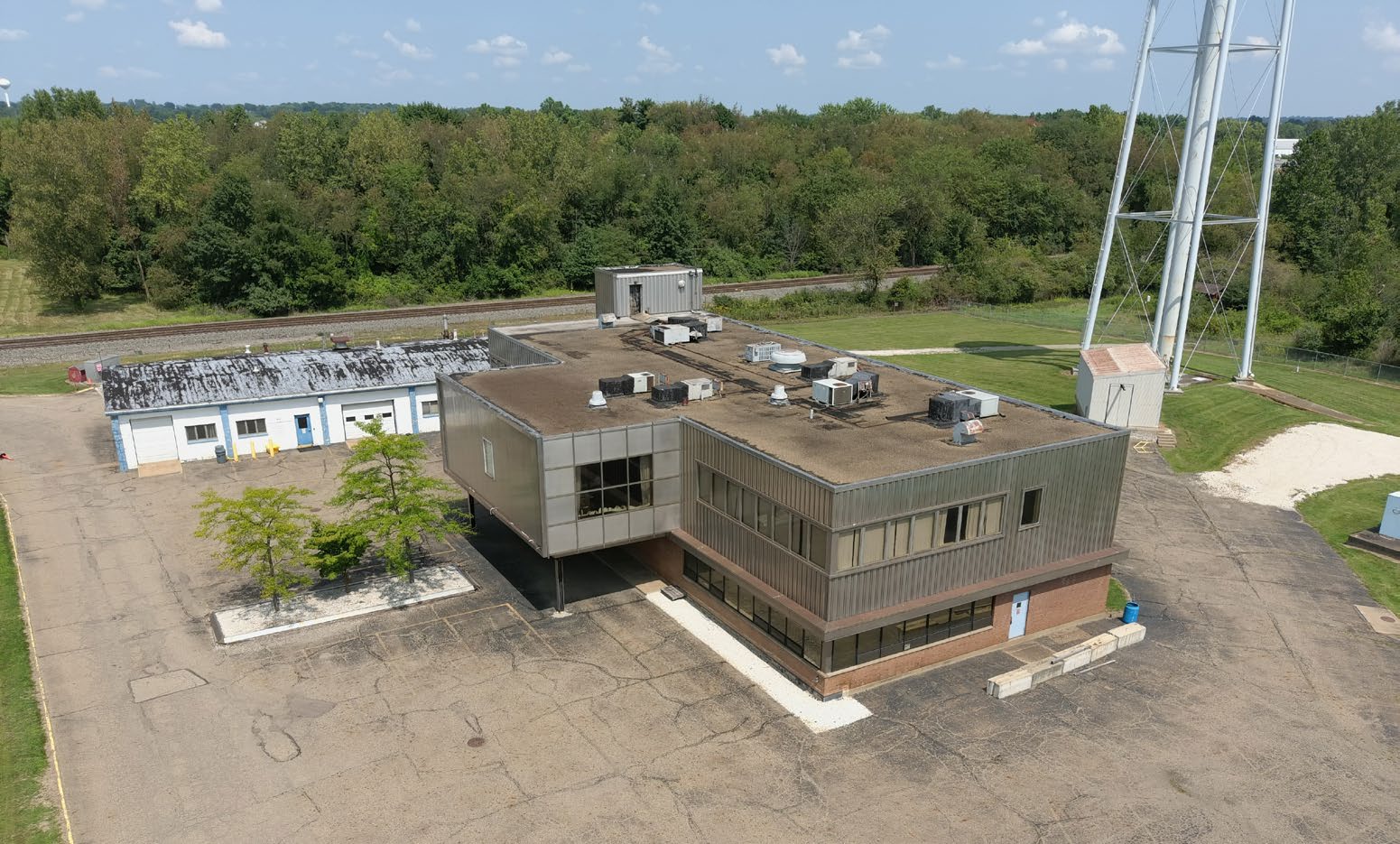
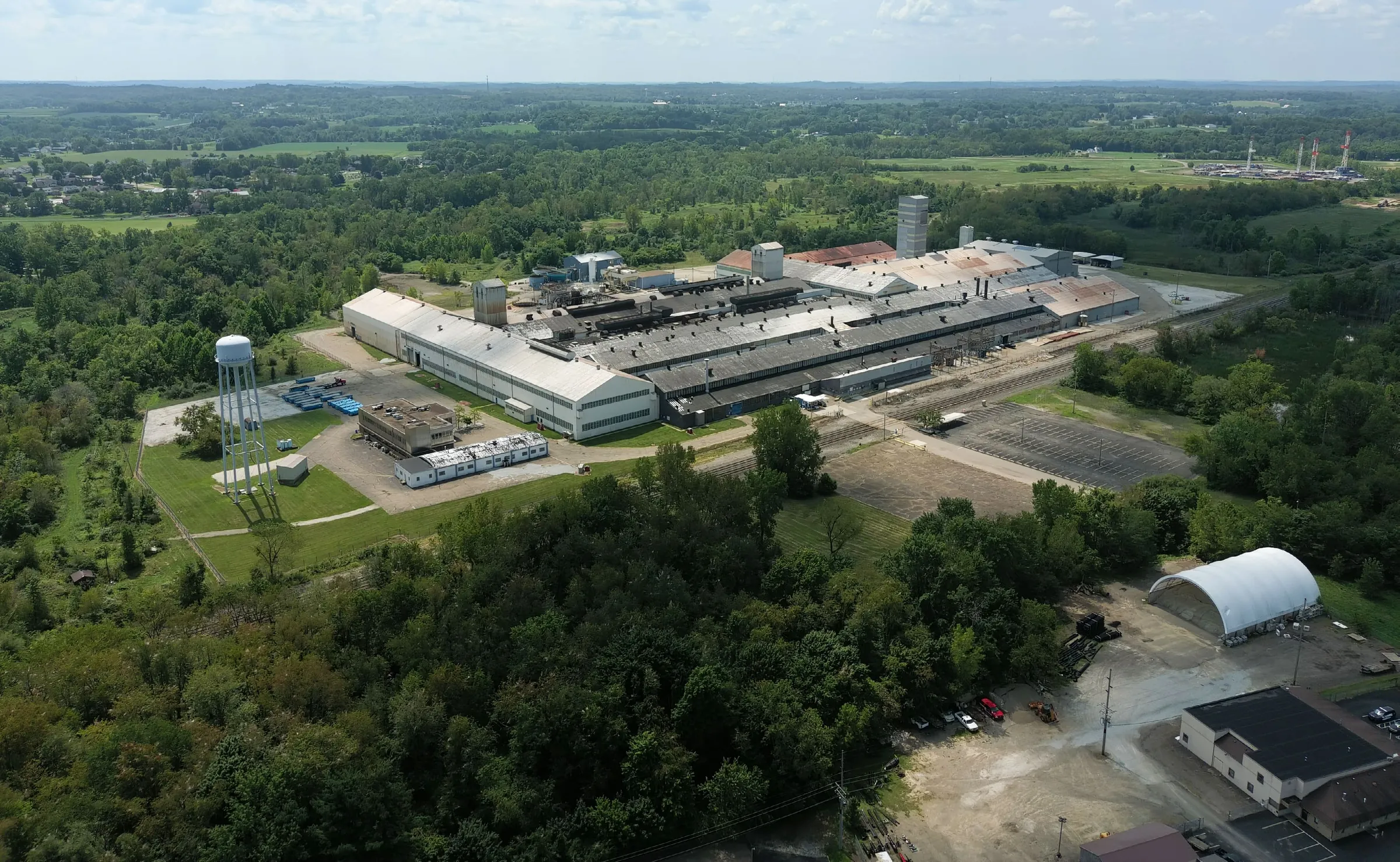
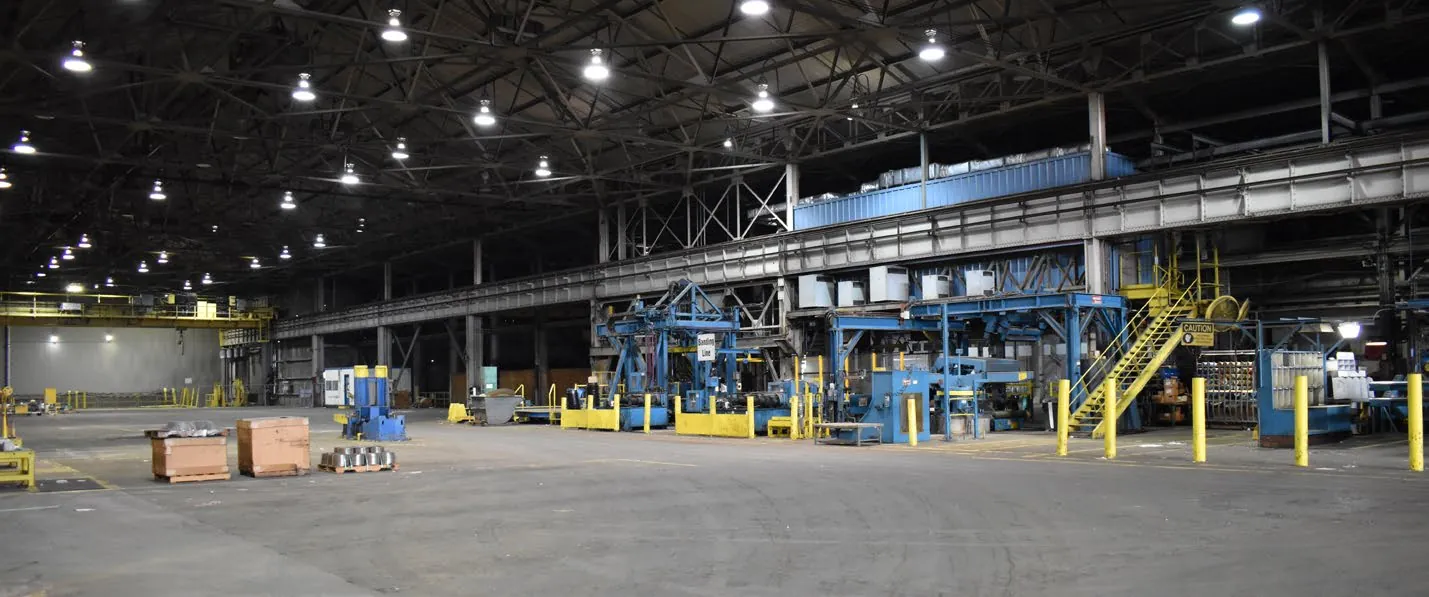
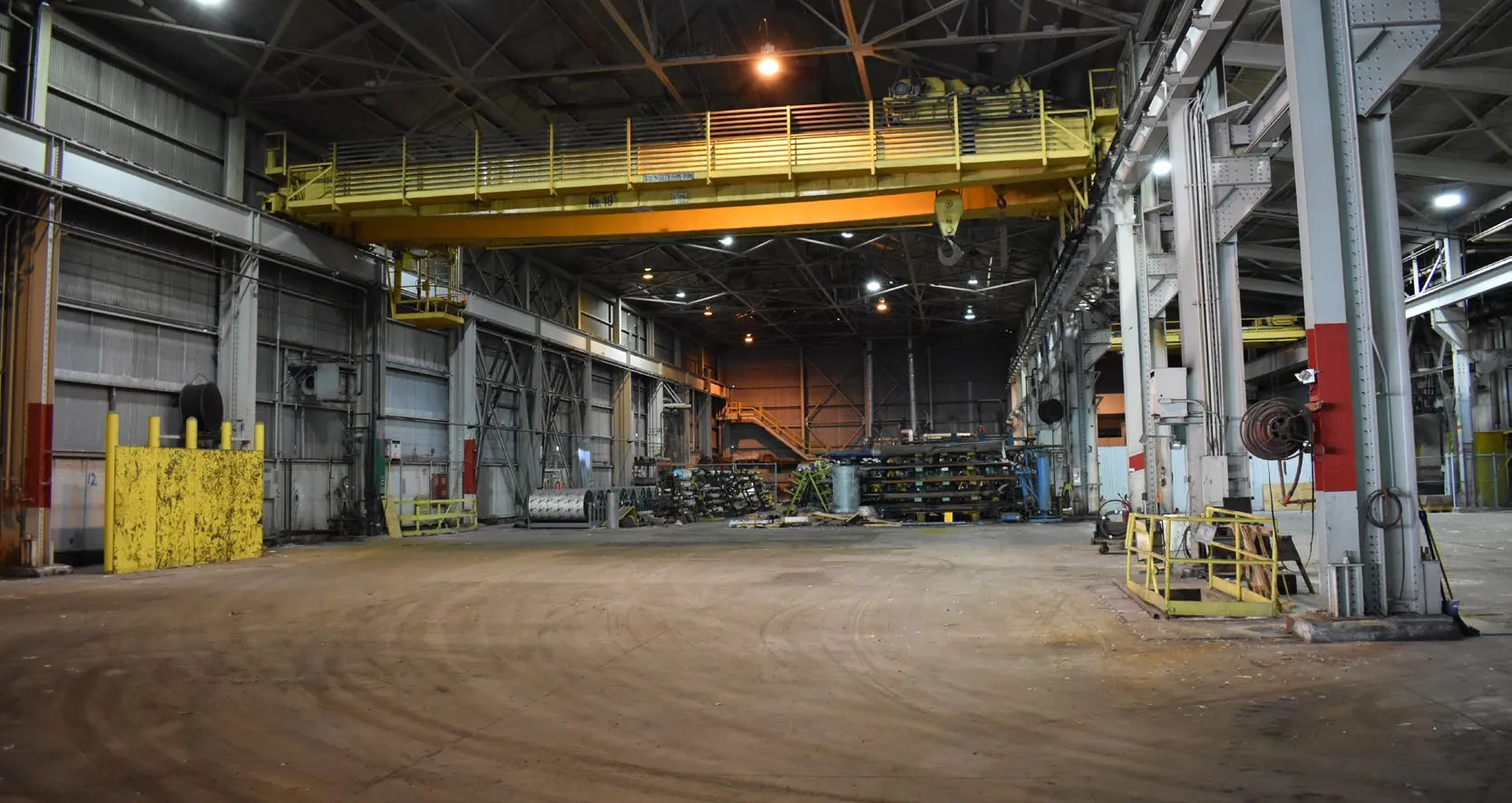
Our 600,000+ square foot former specialty steel mill sits in Louisville, Ohio: the heart of American steelmaking, and the region that builds most of the country's power transformers.
We are putting this building to new purpose with a state-of-the-art finishing mill capable of making the highest grade electrical steel in the world. Production starts in 2029.
Grain-oriented electrical steel, or GOES, is the steel at the core of every power transformer. Transformers change the voltage and current of electricity throughout our grid by wrapping a GOES core in conductive copper coil and magnetizing it back and forth sixty times a second. They do this continuously and with near perfect reliability for over 40 years.
As its name suggests, GOES is unique in that its crystal grains all point in the same direction, which lets it withstand this alternating magnetization while losing very little energy as heat or noise. The better the steel, the less power the grid wastes.
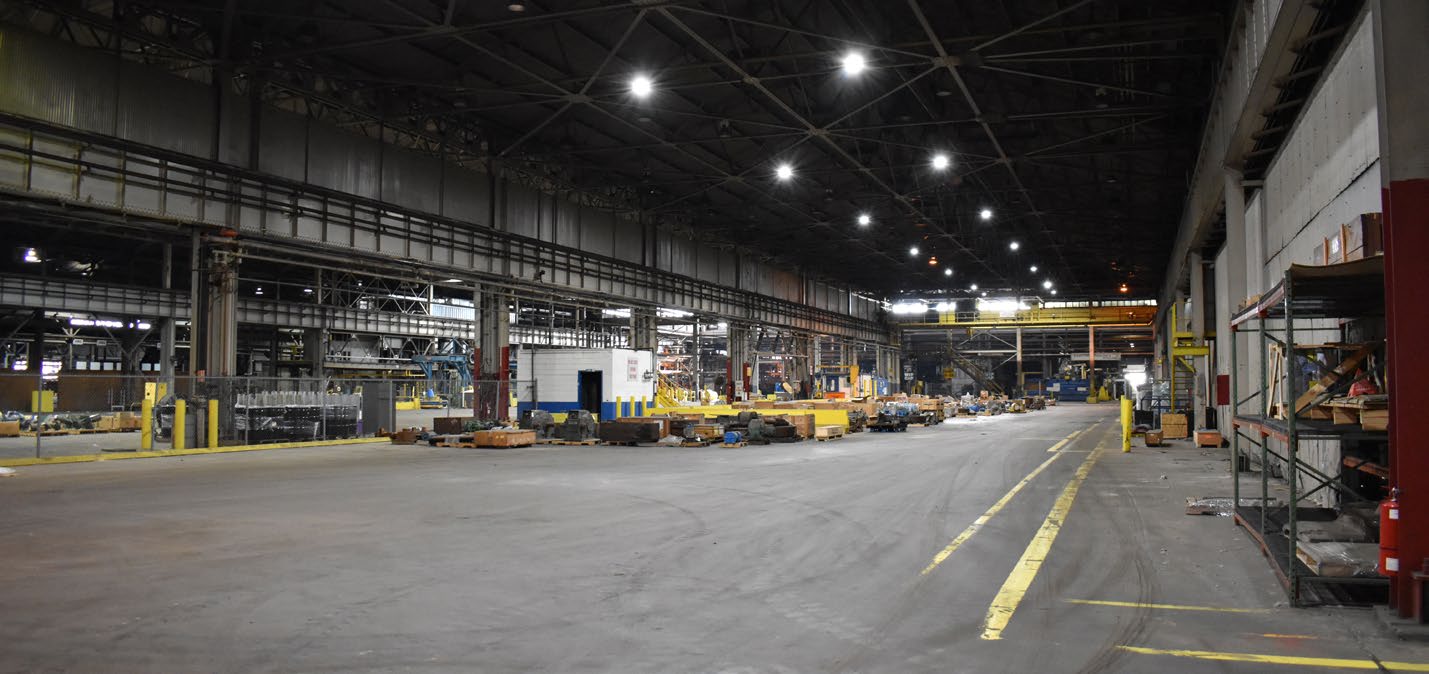
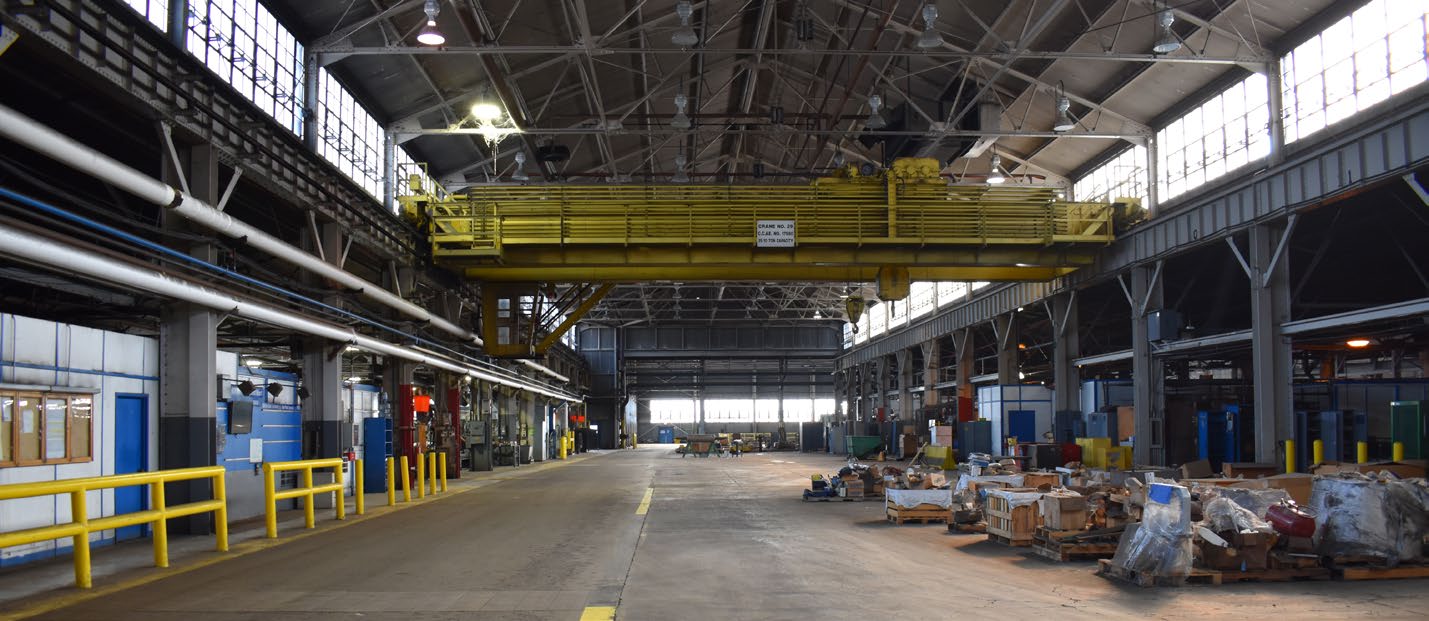
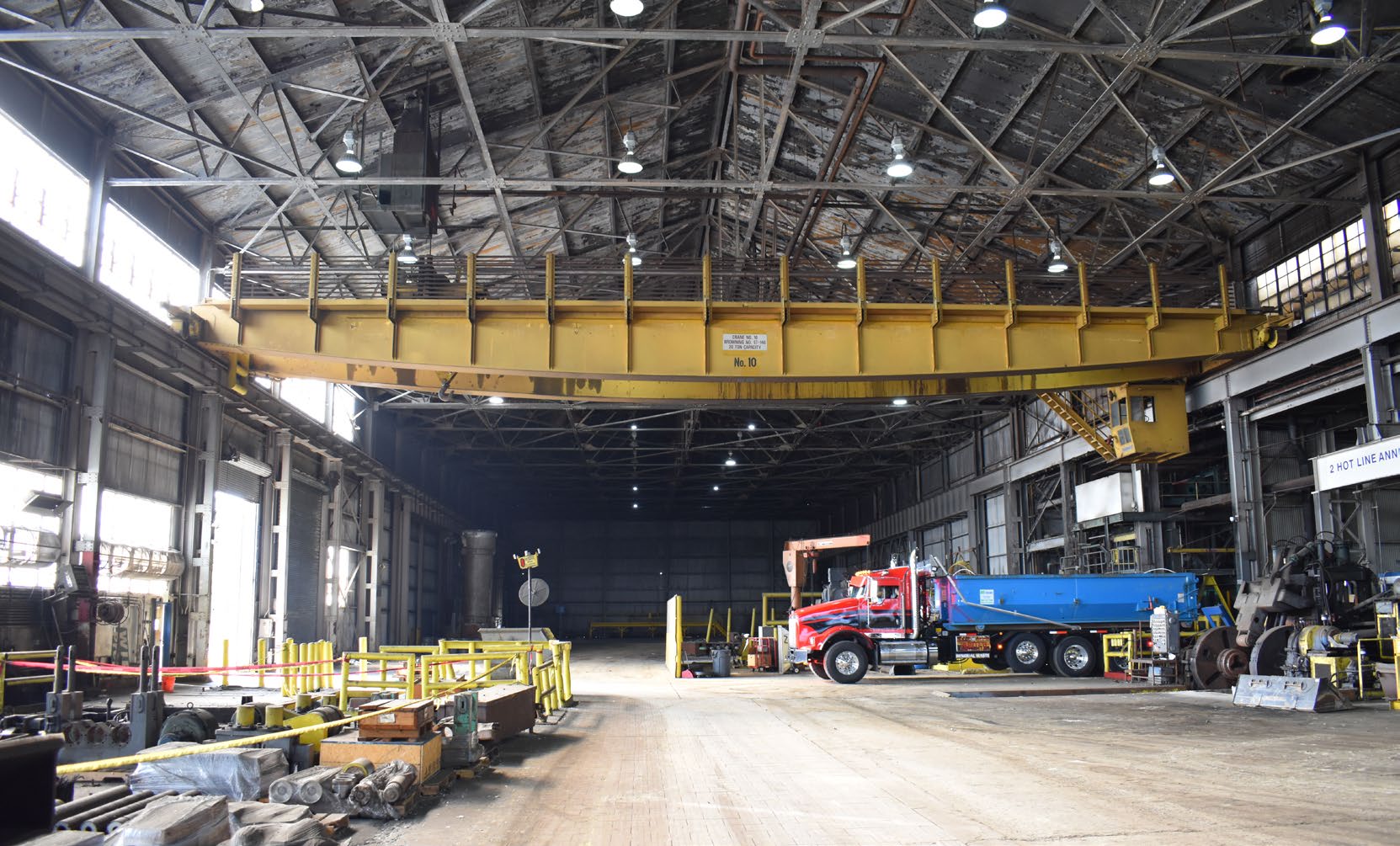
Most new mills start with an empty field. Ours starts with a 600,000+ square foot steel plant that is already standing, with the cranes, the power, the rail and the lab in place. We are giving it a second life as one of the most advanced electrical steel mills in the world.
That takes years off the clock. While others are pouring foundations, we are installing process lines. High-grade electrical steel ships from Louisville in 2029.
Trades, equipment and installation for the build, then decades of consumables, spares, maintenance and logistics. Tell us what you supply and where you are.
28 years building U.S. GOES. Former general manager of Butler Works, the sole U.S. grain-oriented electrical steel factory, where he led premium grain-oriented grade development. Advised Big River Steel on its non-oriented electrical steel line.
45 years in electrical steel and three patents. Led a non-oriented to grain-oriented line conversion at the Zanesville GOES finishing plant, and built one of the only new North American electrical steel lines in decades at Big River Steel.
Anneal, coating and cold-mill process engineers. Grain-oriented steel is a process product: the texture is made on the line, not in the ladle.
Electrical, controls and instrumentation engineers. The anneal that grows the grain texture is a temperature curve held over hours of moving strip, and the drives, sensors and PLCs that hold it are this team's work.
Millwrights, electricians, pipefitters and welders: two years of installation, then a plant to keep running.
Line operators and crew leads, trained on the equipment as it is commissioned.
Core loss and permeability on every coil, measured in the site's own magnetic test lab.
Supply agreements, procurement and project finance for the first new U.S. grain-oriented mill in a generation.
In April 2026 the President determined, under Title III of the Defense Production Act, that transformers and the electrical core steel inside them are essential to the national defense.
It furthers more than a decade of findings from the Department of Energy, the Department of Commerce and the Congressional Research Service that place GOES at the top of the transformer supply-chain risk list.
“Currently, there are two major bottlenecks in the Large Power Transformer supply chain. The first one is in the U.S. GOES production capacity… a major weak link in the LPT supply chain.”U.S. Department of Energy · Electric Grid Supply Chain Review · 2022
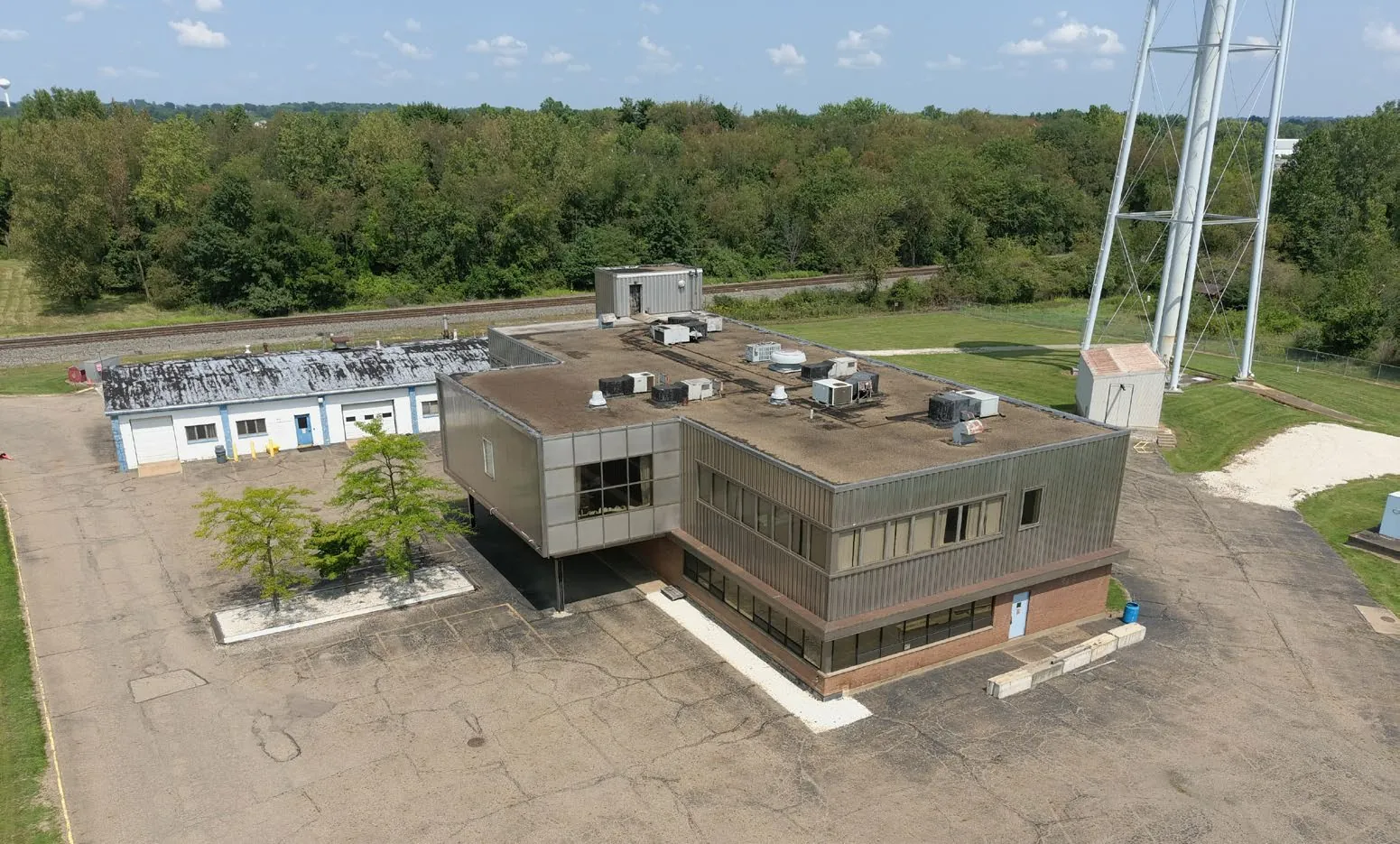
We are building a center of excellence for electrical steel around the site's magnetic test lab, where new ideas get proven on real production equipment.
Thinner gauges, better coatings, lower losses: the work that keeps the next generation of transformers ahead of the grid they power.
Transformer manufacturers, core builders, processors, utilities, partners and program offices: write to us directly.